

Know the Warning Signs, and Act F.A.S.T | World Stroke Day | 29 October
When Stroke Strikes ACT F.A.S.T.
A Stroke is a medical emergency.
CALL 112 or 999.
F.A.S.T. stands for Face, Arms, Speech and Time. This simple Acronym helps you recognise the main signs of stroke and reminds you what to next.
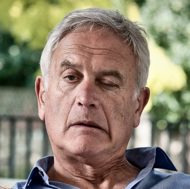 |  | 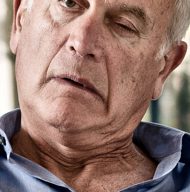 |  |
| FACE | ARMS | SPEECH | TIME |
| Can the person smile? | Can the person raise both arms? | Has their mouth or eye drooped? Can they speak clearly and understand what you say? | Call 112 or 999 for an ambulance if you spot any one of these signs. |
Stroke affects approximately 7,500 people in Ireland every year, with one in four of working age. [1]. It can happen to anyone, at any time. It is a medical emergency that occurs when the blood supply to part of the brain is interrupted, causing brain cells to become damaged. Recognising the warning signs and getting medical help immediately can save lives and reduce the risk of long-term disability.
Why It Matters to Us
We have a responsibility to look out for the public, but also one another and at home. Knowing how to recognise a stroke and respond quickly could make a life-changing difference to a colleague, a family member or a member of the public.
Why is F.A.S.T so important?
Every second counts when someone is having a stroke. The longer the brain is without its normal blood supply, the greater the potential for damage.
Recognising the signs quickly and getting the person to hospital without delay can improve their chances of receiving time-sensitive treatment, surviving and recovering.
You do not need to see all three symptoms to suspect a stroke. Even one sign is enough to act.
It is also important to remember that stroke symptoms can sometimes appear differently. Other warning signs include:
- Sudden loss or blurring of vision
- Confusion
- Dizziness
- Difficulty Balancing
- Weakness on one side of the body or a sudden, severe headache
What to do if a Stroke Happens
A stroke can be frightening but knowing what to do can help you stay calm and act quickly.
If you think you are having a stroke
- Call 112 or 999 immediately and ask for an Ambulance
- Do not drive yourself to hospital
- If possible, note the time your symptoms started.
- Follow the emergency call handler’s instructions.
Even if the symptoms improve or disappear, do not ignore them. They could indicate a transient ischaemic attach (TIA), sometimes called a mini stroke, which also requires urgent medical assessment.
If someone else is having a stroke
- Call 112 or 999 immediately. Tell the call handler that you suspect a stroke and describe the symptoms
- Note the time the symptoms started, or when the person was last seen well, if known.
- Stay with the person and keep them as comfortable and safe as possible
- Follow the emergency call handler’s instructions and monitor the person’s condition
- If you are at work, ask someone to meet the ambulance and direct the paramedics to the person’s location
- Do not give the person food, drink or medication unless directed by a healthcare professional or emergency call handler
Do not delay calling an ambulance to contact a GP, a colleague or a family member. Getting emergency help quickly is the priority.
How Can We Raise Awareness?
Stroke awareness starts with small actions that can have a significant impact.
As members and staff, we can all help by:
Learning F.A.S.T – Make sure you know the warning signs and what to do in an emergency.
Sharing the Message. Talk to colleagues, family and friends about recognising stroke symptoms and calling 112 or 999 without delay.
Promoting Awareness at Work
Share stroke awareness information through internal communications, team briefings, noticeboards and staff wellbeing channels.
Looking out for one another
Never dismiss sudden changes in Somone’s speech, movement, vision or behaviour.
Taking Steps towards Preventions
Small Changes to our daily habits can support our heart and circulatory health. You can read our previous article on easy steps to improve your heart health here.
Remember: Every Second Counts
A stroke can change a life in an instant, but knowing the signs can help you make a difference.
Resources and References:
Explains what a stroke is, the importance of emergency treatment and the F.A.S.T. warning signs.
Provides information on the main and less common symptoms of stroke, as well as transient ischaemic attacks (TIAs)
3.Irish Heart Foundation – Act F.A.S.T
Provides stroke awareness information and explains why recognising the symptoms and acting quickly are essential
4.HSE – Every Second Counts Campaign
The HSEs September 2025 announcement reinforces the importance of recognising stroke symptoms and calling 112 or 999 immediately
Need Support?
- Employee Support Programme with Lena by Inspire Wellbeing. Confidential support is available where stress is affecting personal wellbeing.
The right support at the right time
100% confidential
CALL 1800 817 433
KeepingOurPeopleSupported (KOPS)
- The Employee Assistance Service and peer support structures
- HSE - Heart health, conditions and prevention advice
- Irish Heart Foundation - Heart Month resources and support line
- Healthy Ireland - National guidelines on activity, food and wellbeing
- HSE Quit - Freephone 1800 201 203
- HSE Ask About Alcohol - information and supports
Know the signs. Act F.A.S.T. Call 112 or 999. Your quick action could save a life. |
This article is for general information only and is not a substitute for medical advice. If you have any concerns about your heart health, please speak to your GP or occupational health.
Garda National Health and Wellbeing Office — Keeping Our People Supported (KOPS)