

Suicide Prevention | Men’s Health Awareness Month | Part 2 of a Four-Part KOPS series
Suicide Prevention: Start the Conversation

Recognise the signs. Ask directly. Stay connected. Help is available.
Men can find it difficult to speak about what is happening beneath the surface. Work pressures, relationship difficulties, financial worries, bereavement, trauma, health concerns or a build-up of everyday stress can all take their toll. In policing, repeated exposure to distressing events and the demands of shift work can add another layer. Someone who appears to be coping may still be struggling.
Suicide prevention is not about having all the answers or trying to act as a counsellor. It is about noticing when something has changed, making space for an honest conversation, taking signs of risk seriously and helping someone connect with the right support. You do not need to wait until a person reaches crisis point.
Know the signs – and take changes seriously
There is no single checklist that can predict suicide. However, there are behaviours and statements that should prompt concern, particularly when they are new, intensifying or happening together
- Talking or writing about wanting to die, suicide or hurting themselves; mentioning a plan.
- Expressing hopelessness, feeling trapped, having no purpose, or believing there are no options.
- Withdrawing from family, friends, or colleagues, or becoming unusually isolated
- Marked changes in mood, sleep or behaviour; intense emotions or agitation
- Increasing alcohol or drug use, self-harm or reckless risk-taking.
- Giving away possessions, saying goodbye or putting affairs in order.
A person may not show obvious signs, and asking about suicide does not create suicidal thoughts. If you are concerned, trust that concern and ask. A direct, calm question can open the door to help.
How to have the conversation
Choose a private moment where possible. Be genuine, calm, and specific about what you have noticed. You might say:
“I’ve noticed you’ve been quieter lately. I’m concerned about you – how are things really going?”
“You don’t seem yourself. Is something happening that you want to talk about?”
“Have things got so difficult that you’ve been thinking about suicide?”
If they say yes, listen without judgement. Thank them for telling you. Allow pauses and resist the urge to minimise, compare, lecture, or immediately offer solutions. You can say,
“I’m glad you told me”
“You don’t have to deal with this on your own”
“Let’s work out the next step together.”
If the person does not want to talk, you could say
“you don’t have to open up now but know that I am here, I’m available when you’re ready”
Approach them for a second time in a suitable different place or time. Be calm and present, listen to understand without judgement. Don’t rush solutions. Encourage professional help and other supports that they are likely to uptake.
Do not promise to keep suicidal thoughts secret. If there is immediate danger, stay with the person if it is safe to do so, involve emergency help and make sure responsibility is not left with one person if possible. If the risk is not immediate, support them to contact a GP, Lena by Inspire or a crisis service, and check in again.
Small actions that support mental wellbeing
There is no one action that prevents suicide, but everyday connection and early support matter. Keep in touch with people you trust; make time for sleep and recovery, especially around shift work; eat regularly and stay hydrated; include manageable physical activity; and notice whether alcohol or other coping habits are making things harder. Ask for help early. A conversation with a GP or counsellor is a sensible step, not a last resort.
Support for Garda personnel - Lena by Inspire24/7 freephone: 1800 817 433
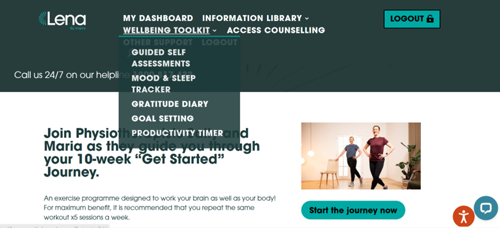
Lena by Inspire – Employee Support Programme (ESP) An Garda Síochána’s partnership with Lena by Inspire provides a free, independent and confidential counselling and support service for Garda personnel. It is available 24 hours a day, 365 days a year. Personnel can self-refer at any time – no permission or approval is required, and you do not need to be in crisis to call. A counsellor is available for crisis situations. Personnel can access up to six counselling sessions, delivered by telephone, video link or face to face. The service can help with mental health concerns including stress, anxiety, and depression; addiction; bereavement; financial difficulties; trauma; illness; work or personal issues; family and relationship difficulties; and harassment or sexual harassment. Trauma counselling is also available through self-referral for personnel affected by traumatic incidents, scenes, or events at work. There are six free trauma counselling sessions, with up to six additional sessions where clinically approved. The initial helpline call is a chance to explain what is happening and discuss the most appropriate support. The service is independent and confidential. An Garda Síochána only receives anonymous service-use statistics for evaluation, they do not receive identifying information of personnel who use the service. For current details and access information, consult the – KOPS Lena by Inspire Counselling page. Psychological Support Programme (PSP) Information available on internal portal. Connect to your work device to access.Provides confidential psychological and wellbeing support for personnel working in roles identified as involving regular exposure to severe psychologically hazardous material. Lena Workplace Wellbeing Hub – Garda personnel can access online wellbeing resources, guided self-assessments, a mood and sleep tracker, information and learning resources.HUB PIN: ANGARDA Mental Health First Aid (MHFA) – Workshops help personnel recognise mental health difficulties, listen without judgement, and guide colleagues towards professional support. Contact your local Divisional MHFA co-ordinator.
|

 Employee Assistance Service (EAS)
Confidential, independent support in the communityThe below services are established supports. They can also advise people who are worried about someone else. You do not need to wait for a GP referral to contact the helplines.
Pieta – Freephone 1800 247 247, 24/7, for people experiencing suicidal thoughts or self-harm, and those bereaved by suicide. Text HELP to 51444 (standard message rates may apply)
GP or out-of-hours GP – Contact your GP and explain clearly if you or someone you know is having thoughts of suicide. Ask for an urgent appointment where needed. If already linked with a mental health team, contact that team for crisis advice.
|


 Text About It – Free-text HELLO to 50808 for free, 24/7 text-based support from a trained volunteer.
 HSE
NOTICE THE CHANGE • ASK THE QUESTION • LISTEN • CONNECT TO HELP • FOLLOW UP |
References and Further Reading
- KOPS – Need Help Now?
- KOPS – Employee Support Programme (ESP), Lena by Inspire
- KOPS – Suicide
- AGS Mental Health First Aid Programme (MHFA)
- KOPS – Men’s Health Awareness Month, Part 1 of a Four-Part Series: Mental Health
- KOPS – NOSP: Let’s Talk About Suicide
- HSE – Help for thoughts about suicide
- HSE – Get urgent help for a mental health crisis
- Pieta – Crisis support
- Samaritans Ireland
- Text About It
This article is for general information only and is not a substitute for medical advice. If you have any concerns about your health, please speak to your GP.

Garda National Health and Wellbeing Office — Keeping Our People Supported (KOPS)