

Prostate Cancer | Men’s Health Awareness Month
Part 3 of a Four-Part KOPS series
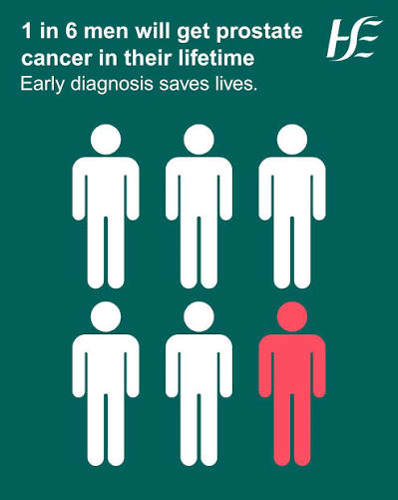
KNOW YOUR RISK. KNOW THE SIGNS.
DID YOU KNOW? An estimated 4,502 men in Ireland are diagnosed with prostate cancer each year. |
It is the most commonly diagnosed cancer in men in Ireland. Early prostate cancer often has no symptoms at all. That is why understanding your risk, knowing your family history and speaking to your GP about any concerns matters.
What is the prostate?
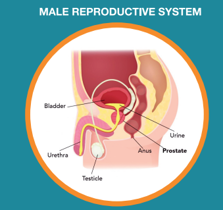
The prostate is a small gland, roughly the size of a walnut, found below the bladder and in front of the rectum.
Know the signs. Don’t ignore the changes.
One of the most important things to understand is that early prostate cancer often causes NO symptoms.
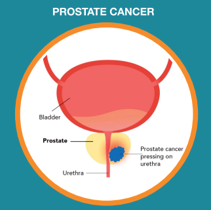
Symptoms can include:
- Needing to pass urine more often, particularly at night.
- Difficulty starting to pass urine.
- A weak or slow urine flow.
- Urine flow that stops and starts.
- Feeling that your bladder has not emptied fully.
- Sudden urges to pass urine.
- Pain or discomfort when passing urine.
- Blood in your urine or semen.
Other symptoms, particularly if cancer has spread, can include persistent pain in your back, hips or pelvis.
Important: These symptoms do not automatically mean you have prostate cancer. They can also be caused by other conditions, such as an enlarged prostate or an infection.
But don’t dismiss unusual or persistent changes as simply part of getting older. If something doesn’t feel right, speak to your GP.
Who is at greater risk?
Prostate cancer can affect any man, but some factors increase the risk.
- Age: The risk increases as you get older, particularly after 50.
- Family history: Your risk may be higher if your father or brother has had prostate cancer, especially if they were diagnosed at a younger age. Having more than one close relative affected is also important to discuss with your GP.
- Ethnic background: Black men have a higher risk and may develop prostate cancer at a younger age.
- Inherited genes: Certain inherited gene changes, including BRCA2, can increase the risk.
Having one or more risk factors does not mean you will develop prostate cancer. However, it is important to know your personal risk and discuss it with your GP.
Can you reduce your risk?
There is no guaranteed way to prevent prostate cancer. Some risk factors, such as age and inherited genes, cannot be changed. However, looking after your general health is always worthwhile.
- Keep active: Aim for regular physical activity.
- Eat well: Include plenty of vegetables, fruit and wholegrains.
- Maintain a healthy weight: This supports your overall health.
- Know your family history: Find out whether close relatives have had prostate cancer.
- Pay attention to changes: Don’t ignore persistent urinary symptoms or other unusual signs.
- Talk to your GP: Discuss your individual risk and whether a PSA test is appropriate.
What is a PSA test?
If you have concerns about prostate cancer or believe you may be at increased risk, your GP can discuss whether testing is appropriate.
One test you may hear about is the PSA blood test.
PSA stands for Prostate-Specific Antigen. It measures the level of a protein produced by the prostate in your blood.
There are a few things you should know:
- A raised PSA level does not automatically mean you have cancer.
- An enlarged or inflamed prostate, or an infection, can also raise PSA levels.
- Some men with prostate cancer have a normal PSA result.
Your GP will consider your age, symptoms, family history and other factors when discussing the test.
A GP may also recommend a digital rectal examination (DRE). This involves checking the prostate through the rectum using a gloved finger. It is usually quick, although it may feel uncomfortable.
If further investigation is needed, this may include an MRI scan and, where appropriate, a biopsy.
Look out for the men in your life
Prostate cancer awareness is not just a conversation for men to have on their own. Partners, family members, friends and colleagues can all play a part.
- Encourage someone to contact their GP if they notice unusual or persistent changes.
- Talk openly about men’s health and help break down the embarrassment around medical checks.
- Encourage men to find out about their family history.
- Check in with someone who may be worried about symptoms or a diagnosis.
- Offer to help arrange an appointment or accompany them if they would find that helpful.
Not everyone finds it easy to talk about their health. Some men feel embarrassed discussing urinary or sexual health. Others worry about what a doctor might find, feel uncomfortable about the examinations involved or simply keep putting off making an appointment.
Some assume that changes are just part of getting older.
But ignoring a concern won’t make it go away.
Your GP is used to having these conversations and you certainly don’t need to feel embarrassed about asking questions. A simple check-in with your GP could be an important step in protecting your health.
KNOW YOUR RISK. KNOW THE SIGNS. DON’T IGNORE CHANGES. TALK TO YOUR GP. |
Support for Garda personnel - Lena by Inspire24/7 freephone: 1800 817 433Lena by Inspire – Employee Support Programme (ESP)
An Garda Síochána’s partnership with Lena by Inspire provides a free, independent and confidential counselling and support service for Garda personnel. It is available 24 hours a day, 365 days a year. Personnel can self-refer at any time – no permission or approval is required, and you do not need to be in crisis to call. A counsellor is available for crisis situations. For current details and access information, consult the – KOPS Lena by Inspire Counselling page. Lena Workplace Wellbeing Hub – Garda personnel can access online wellbeing resources, guided self-assessments, a mood and sleep tracker, information and learning resources.HUB PIN: ANGARDA
|


References
- Irish Cancer Society Prostate cancer
- Irish Cancer Society Signs and symptoms
- National Cancer Registry Ireland
- Marie Keating Foundation
- KOPS – Employee Support Programme (ESP), Lena by Inspire
- KOPS – Men’s Health Awareness Month, Part 1 of a Four-Part Series: Mental Health
This article is for general information only and is not a substitute for medical advice. If you have any concerns about your health, please speak to your GP.

Garda National Health and Wellbeing Office — Keeping Our People Supported (KOPS)